400-8188-860
400-8188-860
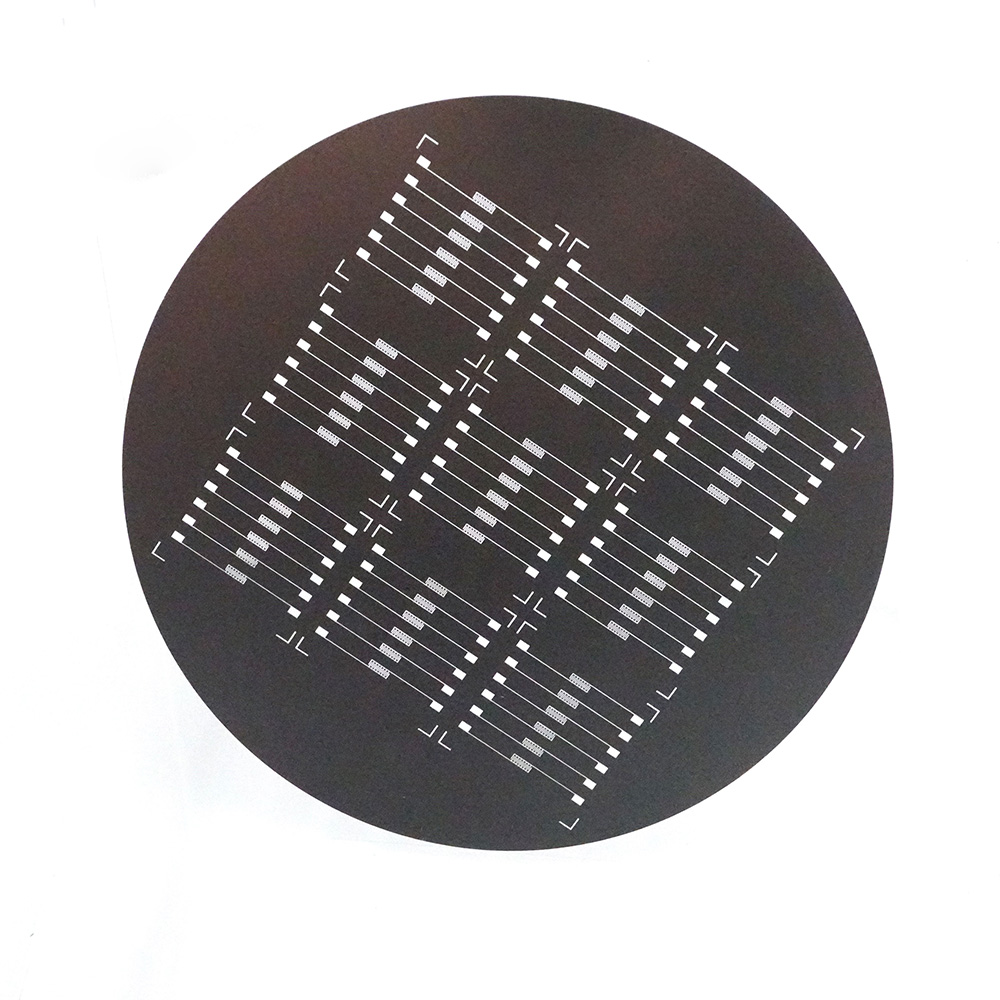
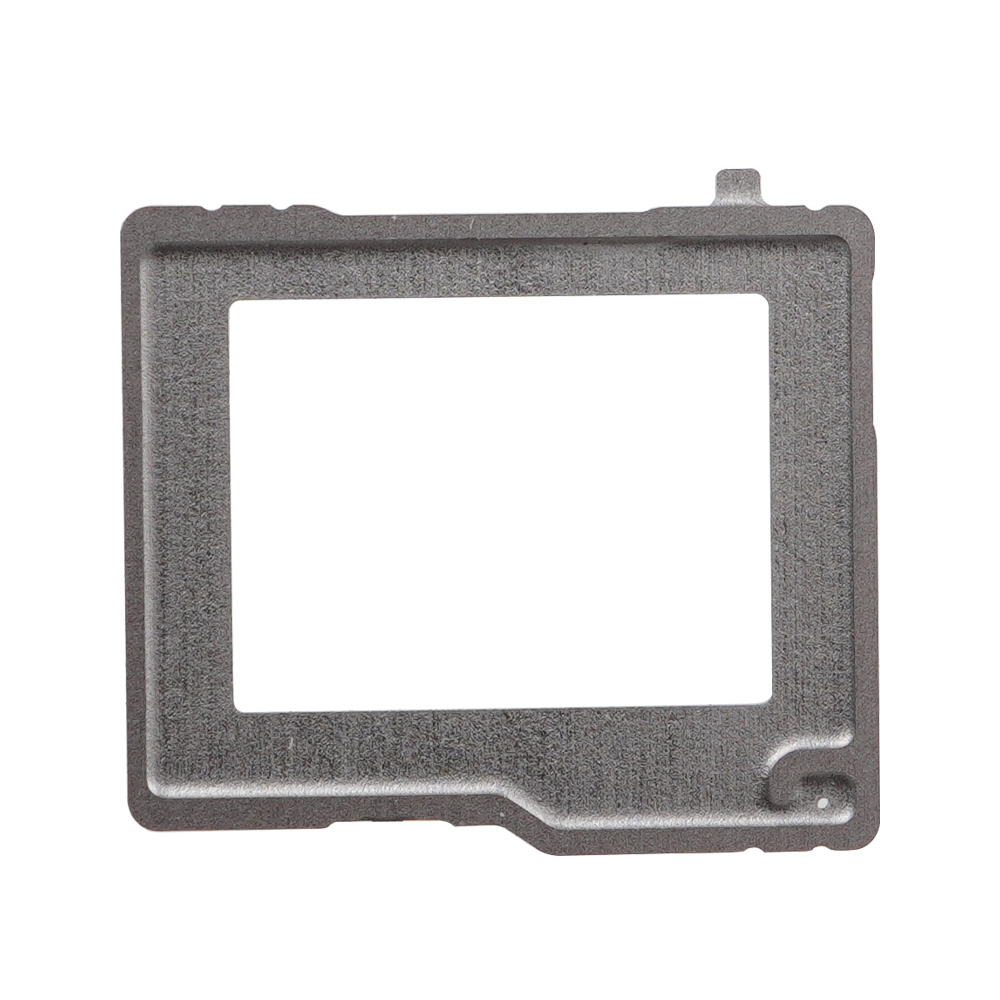
In the fields of smartphones, autonomous driving, and high-end security, multi-camera modules have become a standard configuration. As a key structural component that bears and positions core lenses, the precision and quality of the camera module bracket directly determine image clarity and stability. Its manufacturing process faces three extreme challenges: micron-level alignment accuracy, cutting of complex and delicate circuits, and consistent quality in mass production.
· All equipment comes standard with a high-precision visual positioning system, which can accurately locate and identify MARK points, achieve precise compensation alignment, stably control the positioning accuracy within ±0.01~0.02mm, and eliminate product defects caused by misalignment;
· The equipment is equipped with German IPG lasers to ensure laser output quality, delivering a straight cutting effect with small nodes, no jagged edges, and clean, smooth cuts. It avoids edge burning caused by thermal damage, ensuring the product's appearance integrity and electrical performance;
· The self-developed precision laser cutting equipment can achieve an accuracy within ±0.015mm in mass processing, ensuring dimensional consistency.

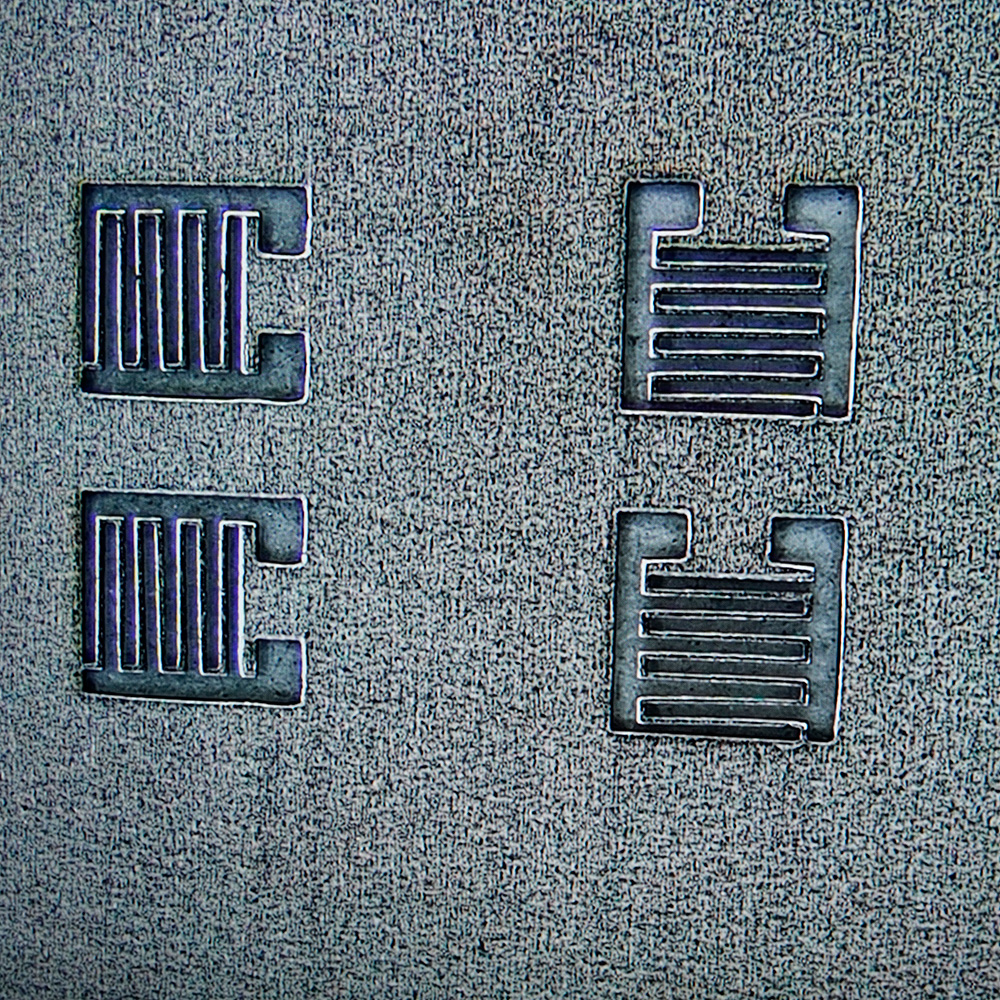
In cutting-edge technology fields such as biosensing, environmental monitoring, and electrochemical analysis, interdigital electrodes serve as core sensing components, and their performance directly determines detection sensitivity, accuracy, and response speed. By fabricating interlaced micro-nano level metal fingers on an insulating substrate, interdigital electrodes achieve high-sensitivity detection of target molecules.
· Interdigital line width: 0.1mm;
· Interdigital spacing: 0.1mm;
· The electrode features a surrounding structure; during processing, residual material is prone to not falling off or deforming, so the requirement for laser quality is extremely high.
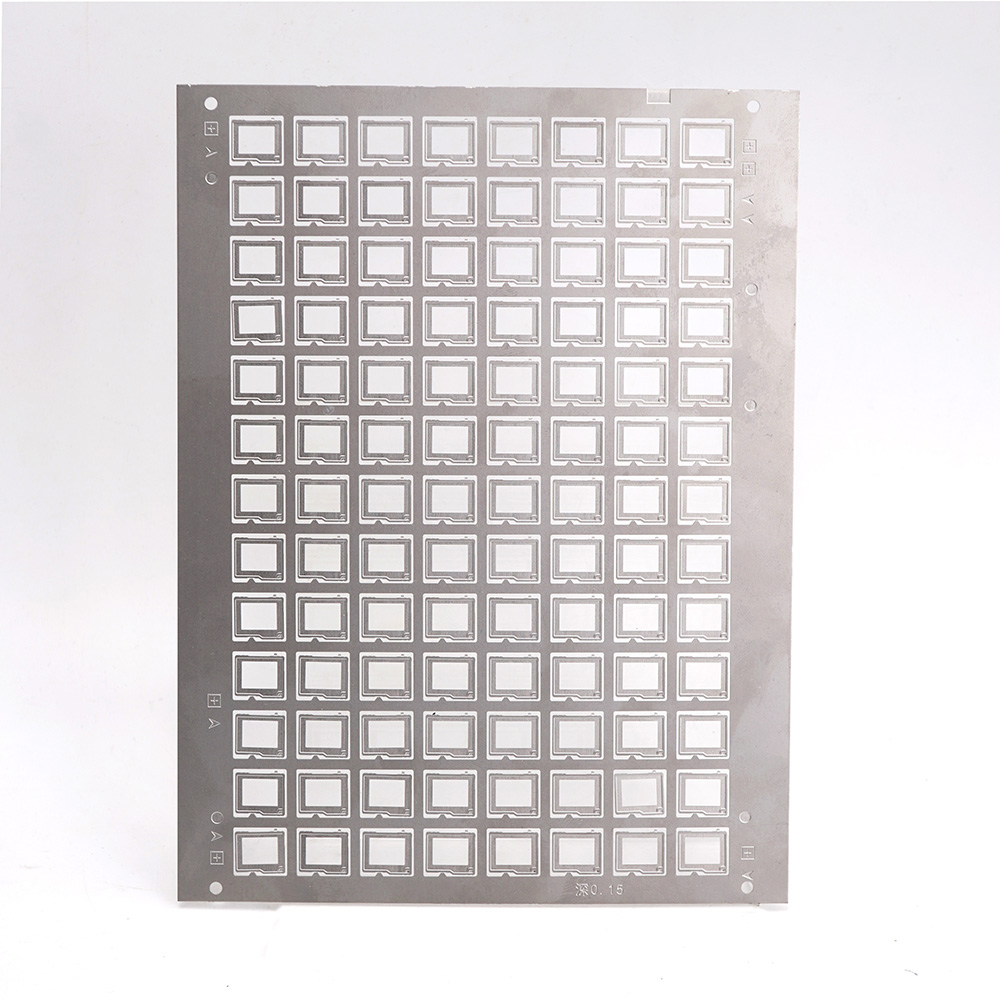
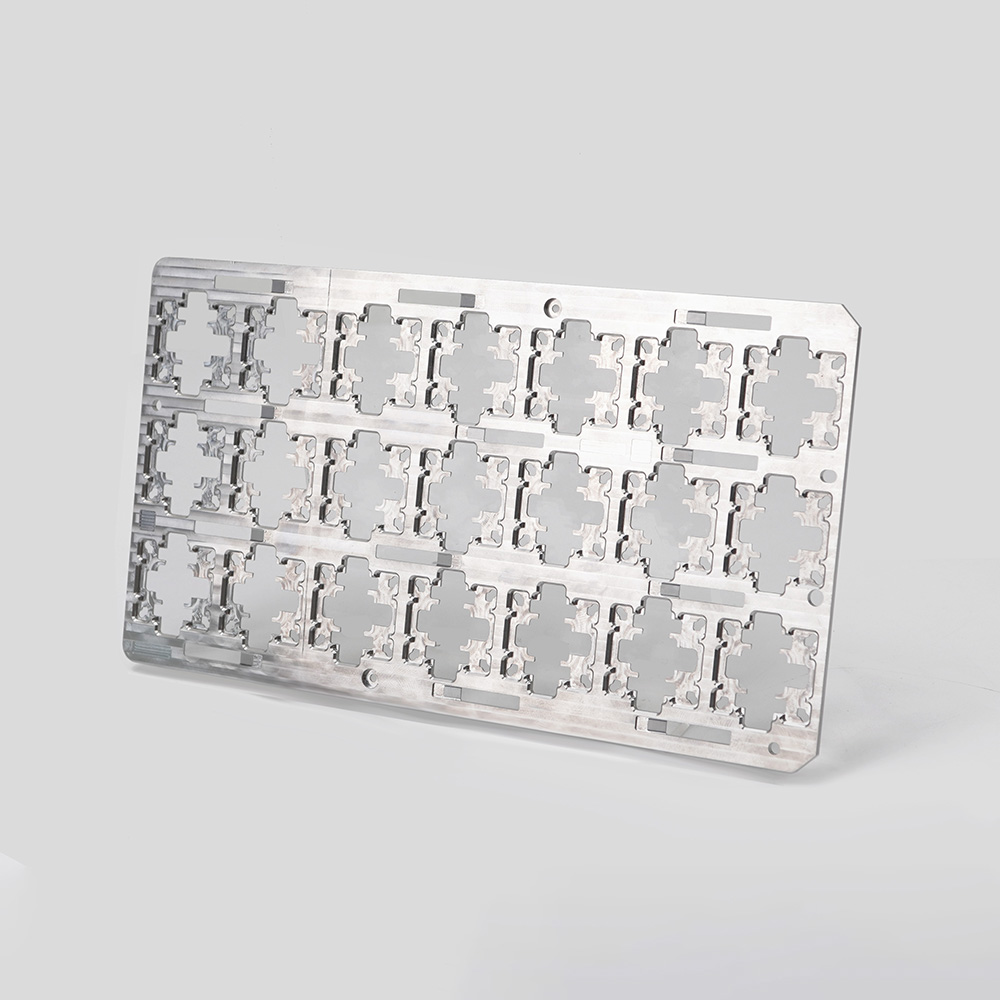
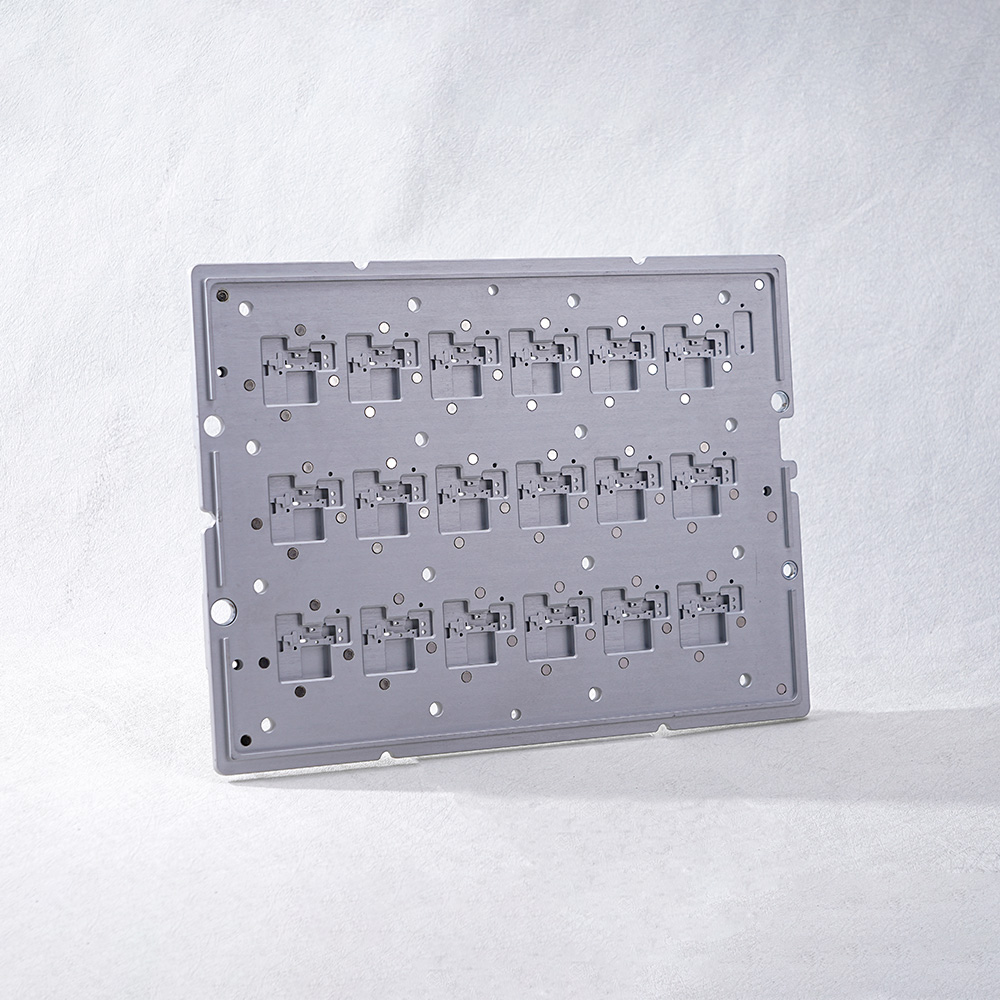
Magnetic carrier patches/covers are specifically designed for the production and assembly of FPC flexible boards and PCBs, widely used in solder paste printing and component mounting processes. Their high-magnetic materials ensure precise fixation and positioning, improve production efficiency and accuracy, while effectively protecting FPC/PCB boards from damage.
· Accuracy of positioning holes and datum edges: The carrier must fit precisely with equipment rails, and the positional tolerance of positioning holes shall be ≤+0.02mm;
· Flatness control: The overall flatness of the base plate shall be ≤0.1mm; otherwise, it will cause poor fit between the PCB and the carrier, affecting the uniformity of heat conduction.
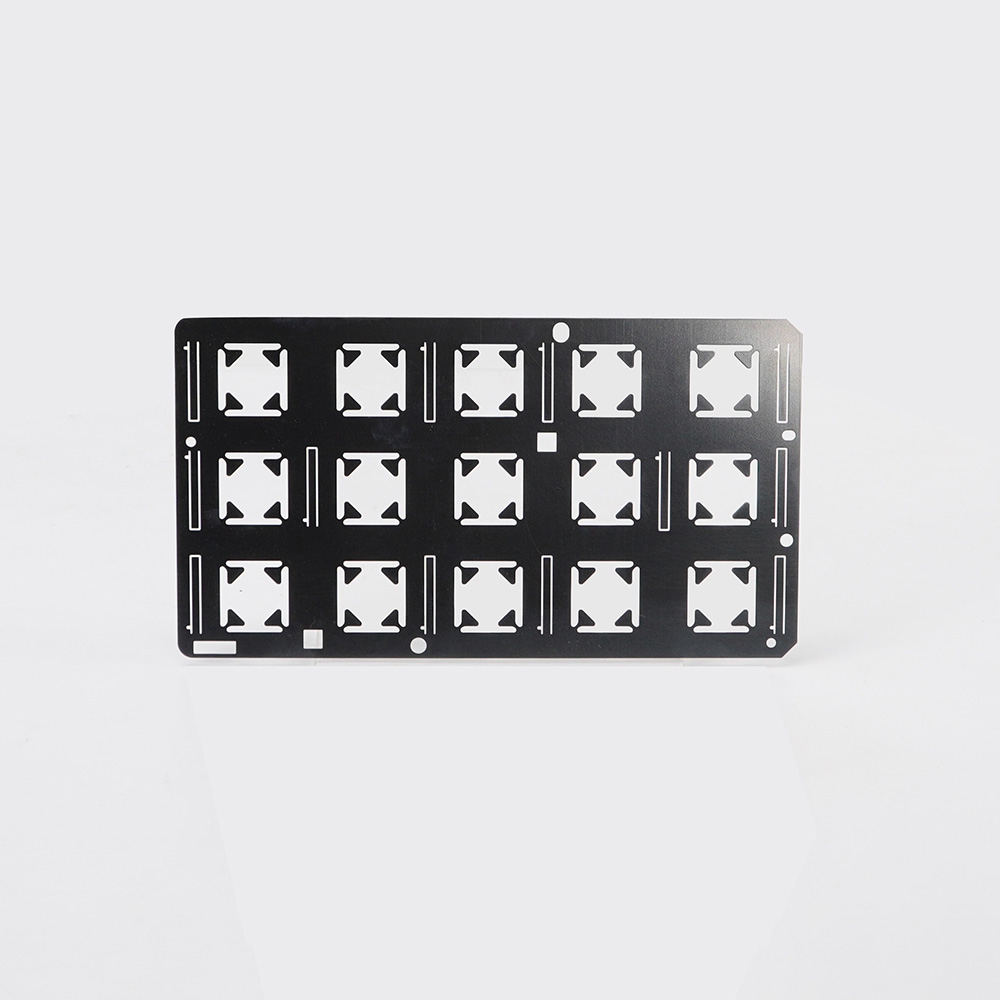
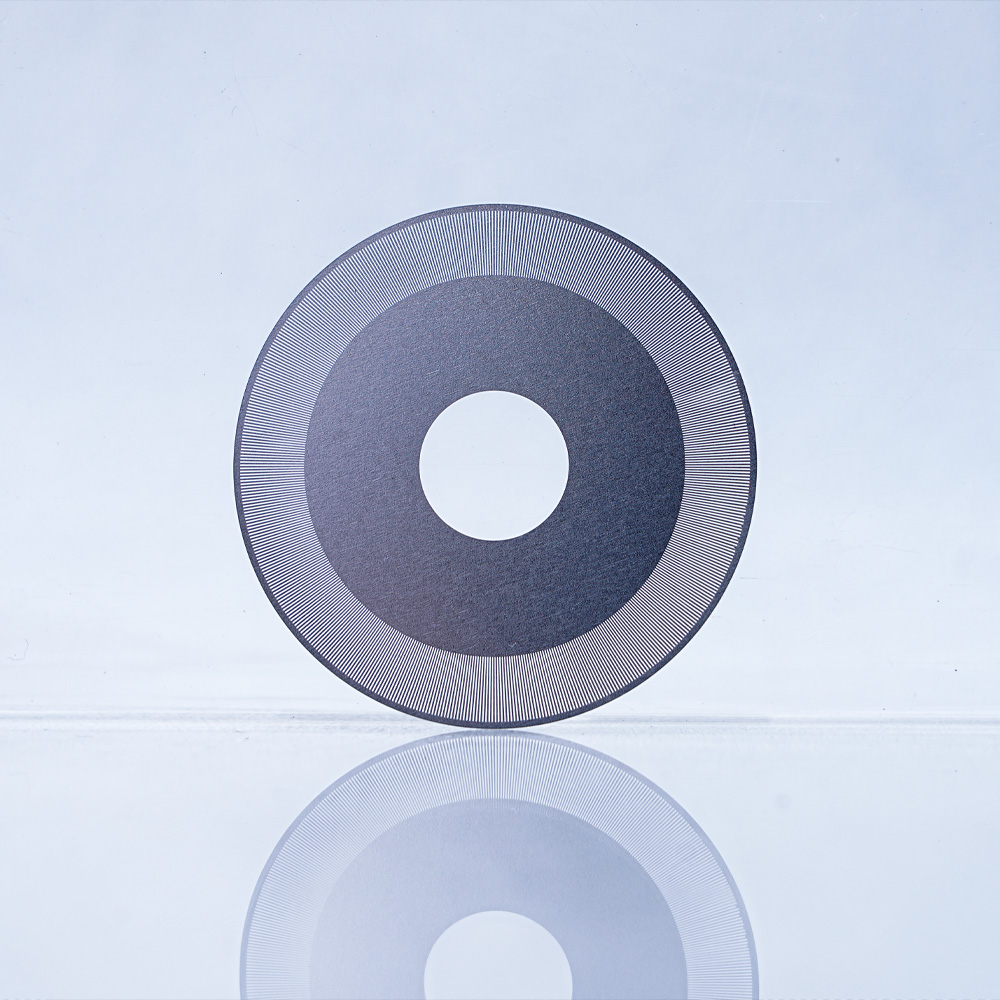
In the fields of industrial automation, high-end CNC machine tools, robots, servo motors, and precision instruments, accurate position detection and speed control are the core to achieving high-performance motion. As the "eyes" of this system, optical encoders convert mechanical positions into electrical signals by reading the engraved precision grid lines on the optical code disk, and their resolution and accuracy directly determine the upper limit of the entire motion control system.
· Slit width: 0.15mm;
· Rib width: 0.1mm;
· The slits are flat and smooth without any burrs.
Against the backdrop of lithium battery manufacturing entering the TWh era, improving production capacity, yield, and consistency has become the core competitiveness of battery manufacturers. As the first critical process in electrode manufacturing, the quality of the coating process directly determines the battery’s energy density, safety, and cycle life.
Coating gaskets, also known as "baffles" or "cavity plates", are core precision tooling that determines coating width and edge shape. Installed on both sides of the coating die head, the contour accuracy, edge quality, and dimensional stability of their cavities are critical.
· Special-shaped slits and trapezoidal cross-sections need to be processed, with both shape accuracy and hole-opening consistency guaranteed;
· For ultra-thin gasket processing, flatness and thickness consistency of the gaskets must be ensured, with the overall thickness deviation not exceeding 0.003mm.

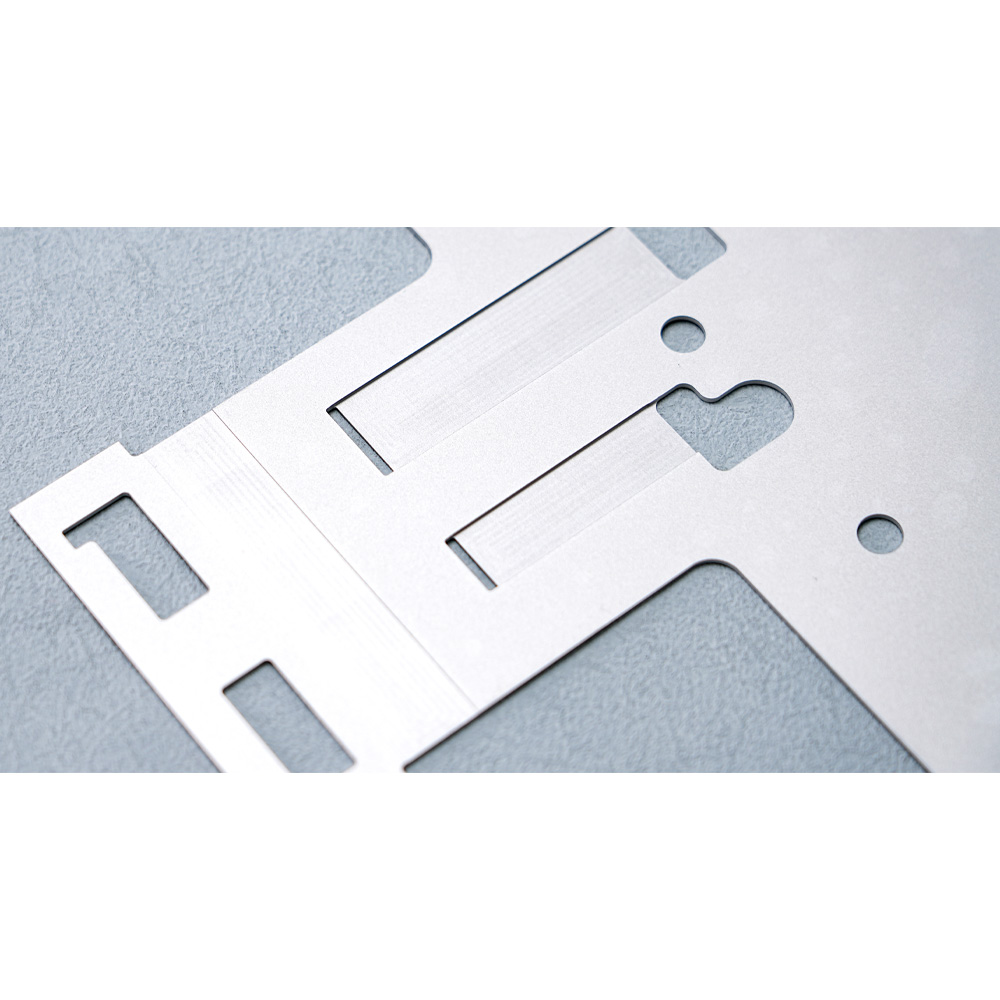
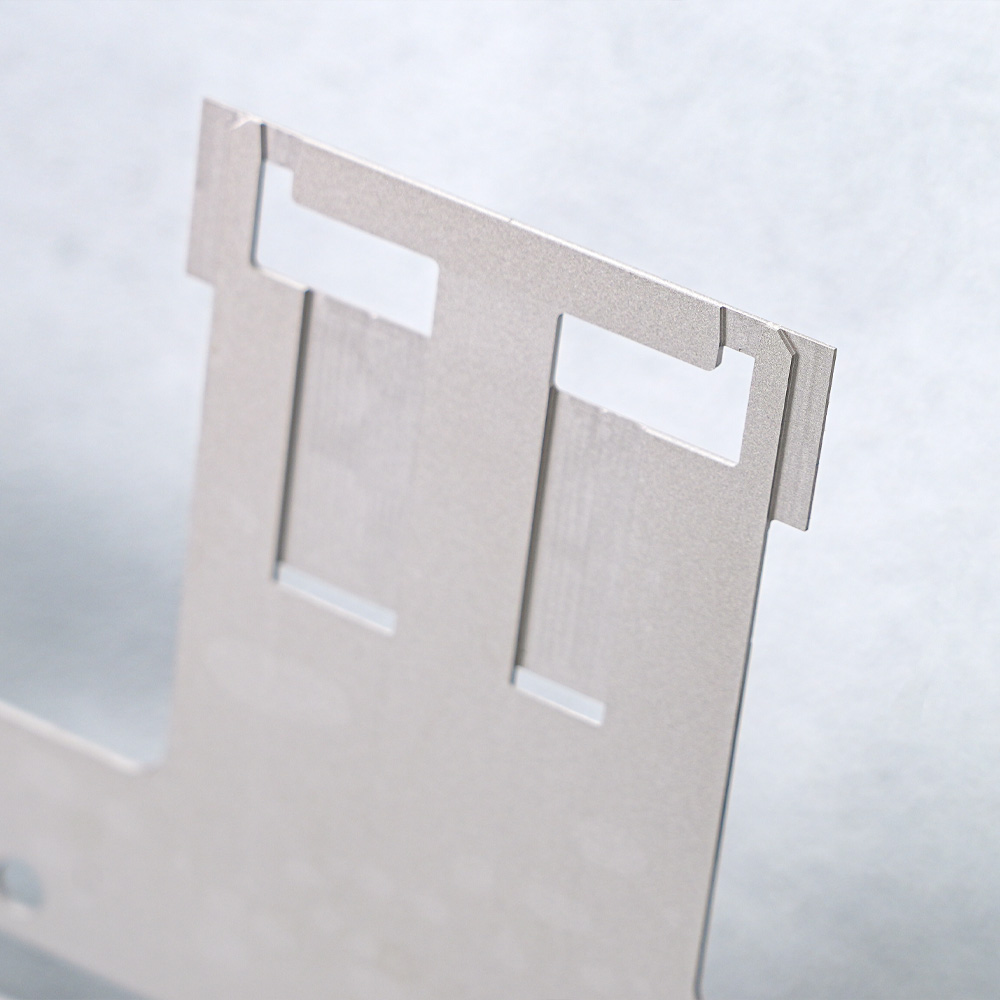
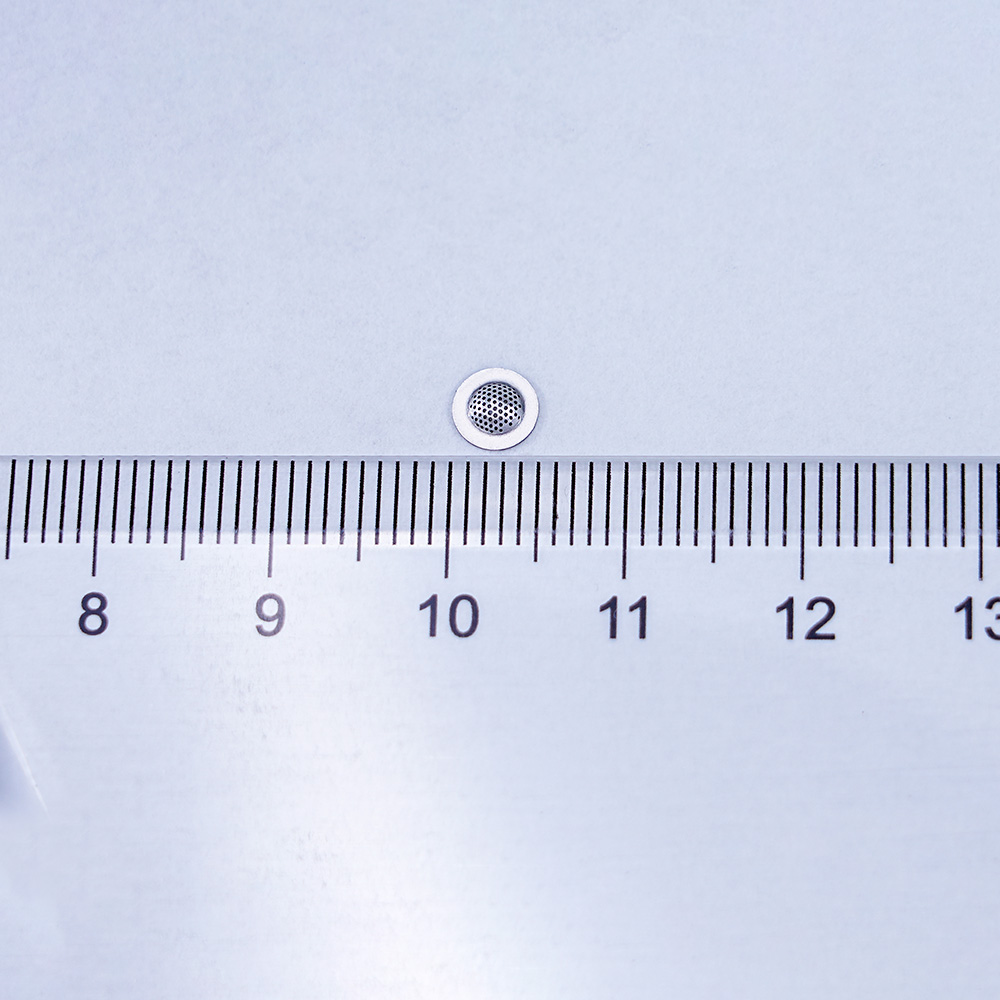
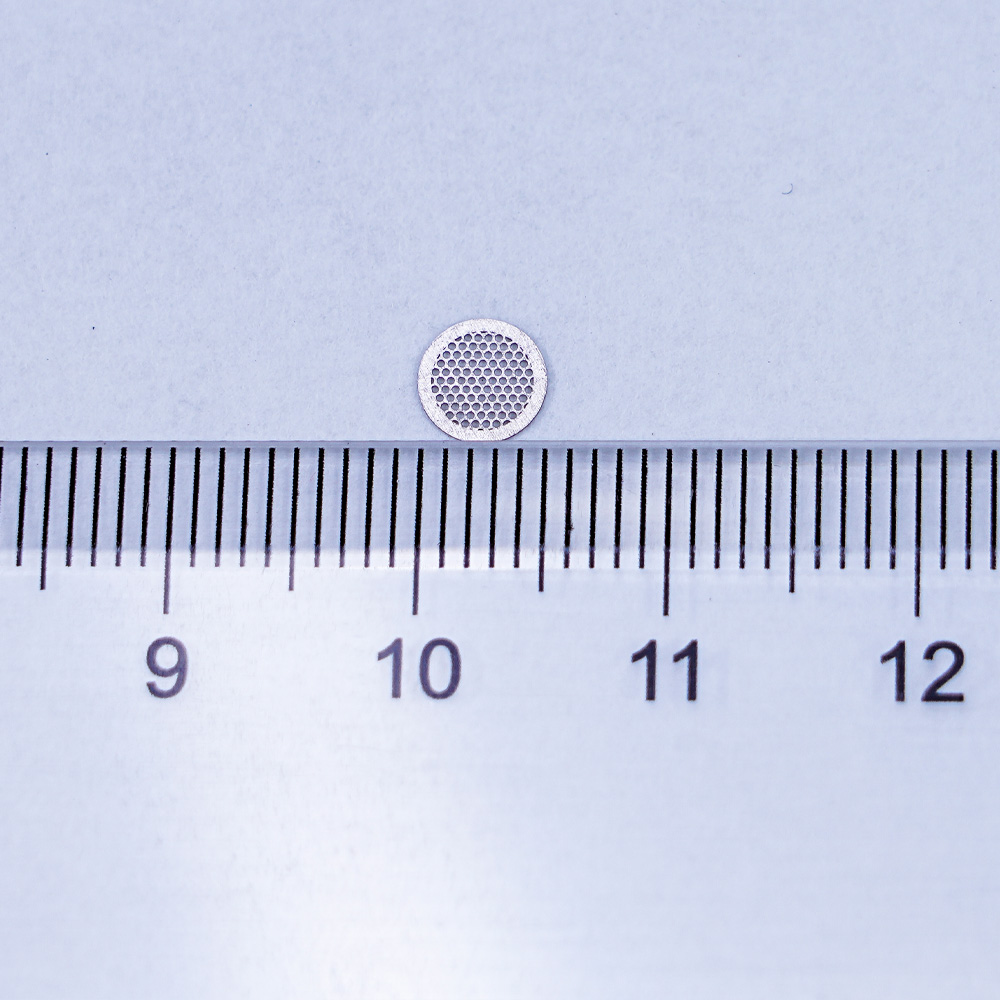
In advanced manufacturing fields such as food and pharmaceuticals, new energy materials, high-end chemical engineering, and precision ceramics, accurate sieving and classification of materials are a critical process step to ensure the purity, consistency, and performance of final products. As a core separation component, the mesh accuracy, uniformity, and stability of precision sieving mesh directly determine production efficiency and product quality.
· Round hole accuracy: ±0.02~0.03mm;
· High-precision large-format equipment with a size of 680*2000mm, and the yield rate of aperture dimensions is within 95%.
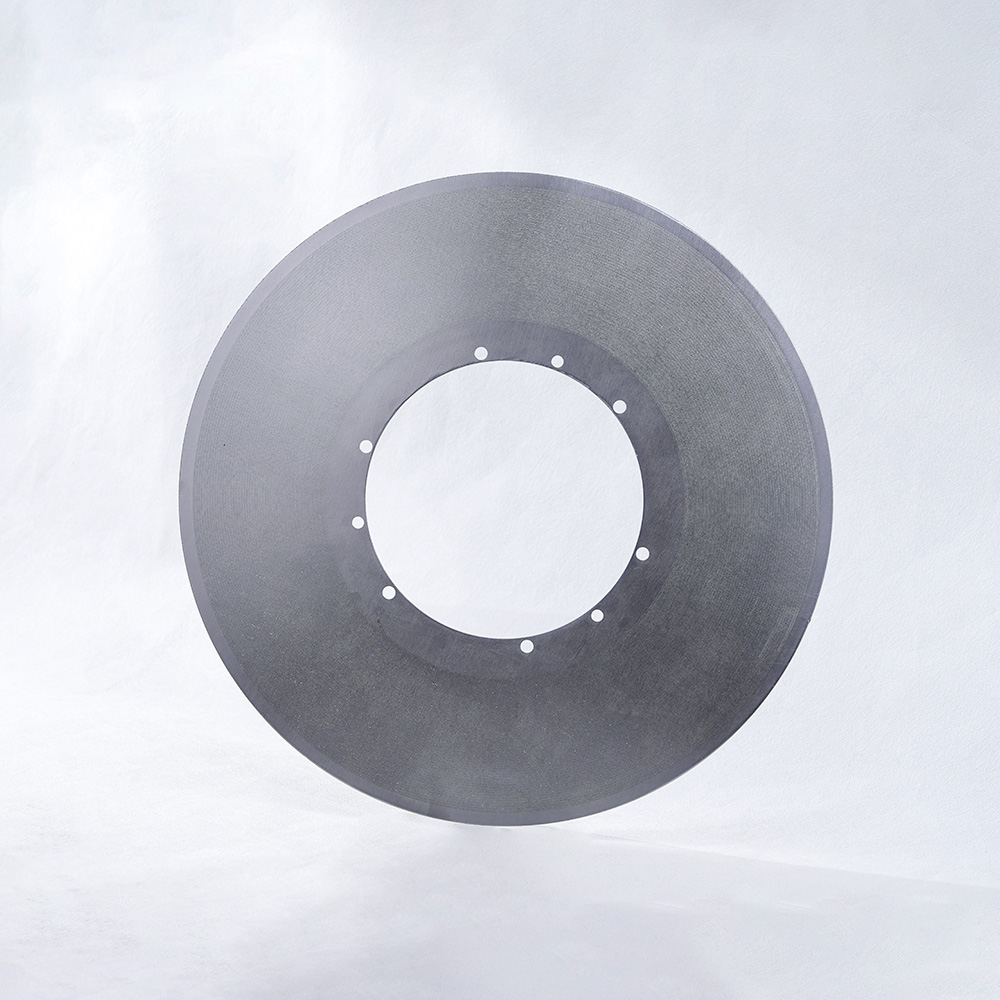
In numerous fields including apparel, footwear, medical aids, aerospace, and outdoor equipment, Velcro (hook and loop fasteners) — as a classic quick fastening device — has seen sustained growth in market demand, with a continuous trend toward lightweight, high-strength, and miniaturized designs. As the mold for the "hook side" of Velcro, the manufacturing precision of injection hook mold sheets directly determines the hook adhesion, durability, and tactile feel of the Velcro products.
· Smooth cutting cross-section;
· Concentricity: within 0.015mm;
· Dimensional consistency of multiple mold sheets (within 10 μm).
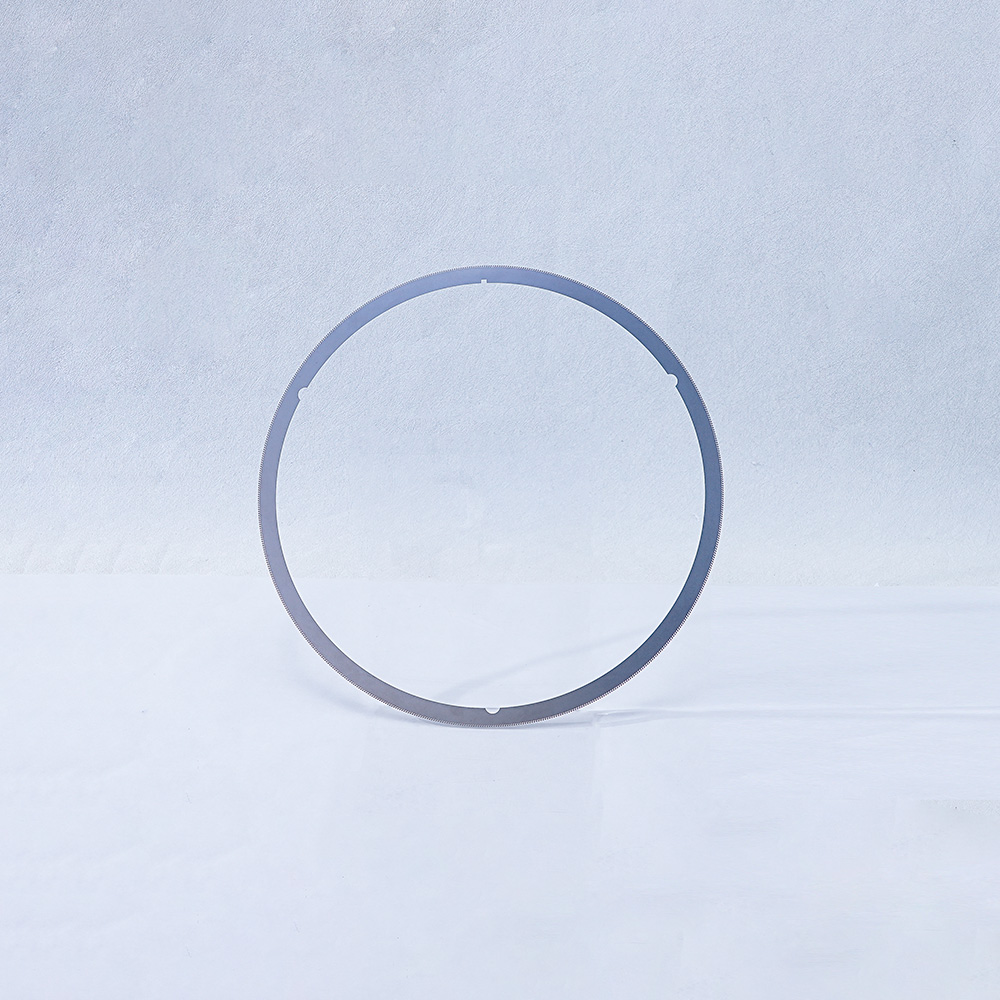
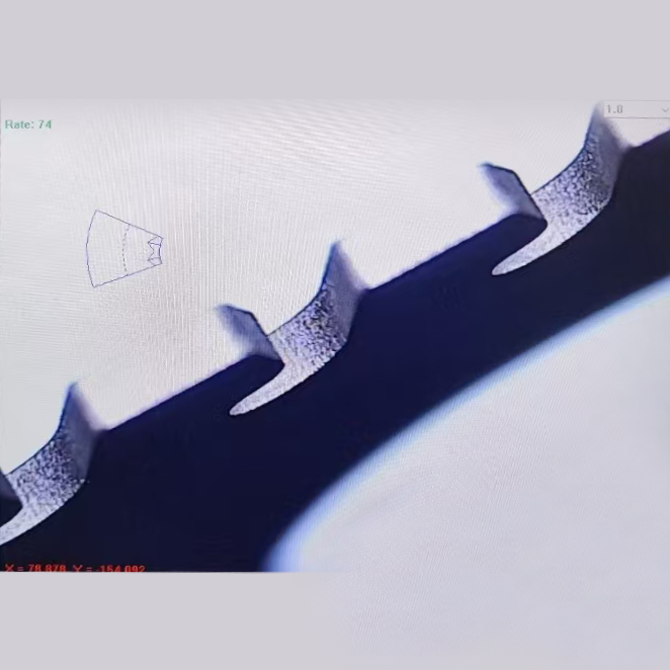
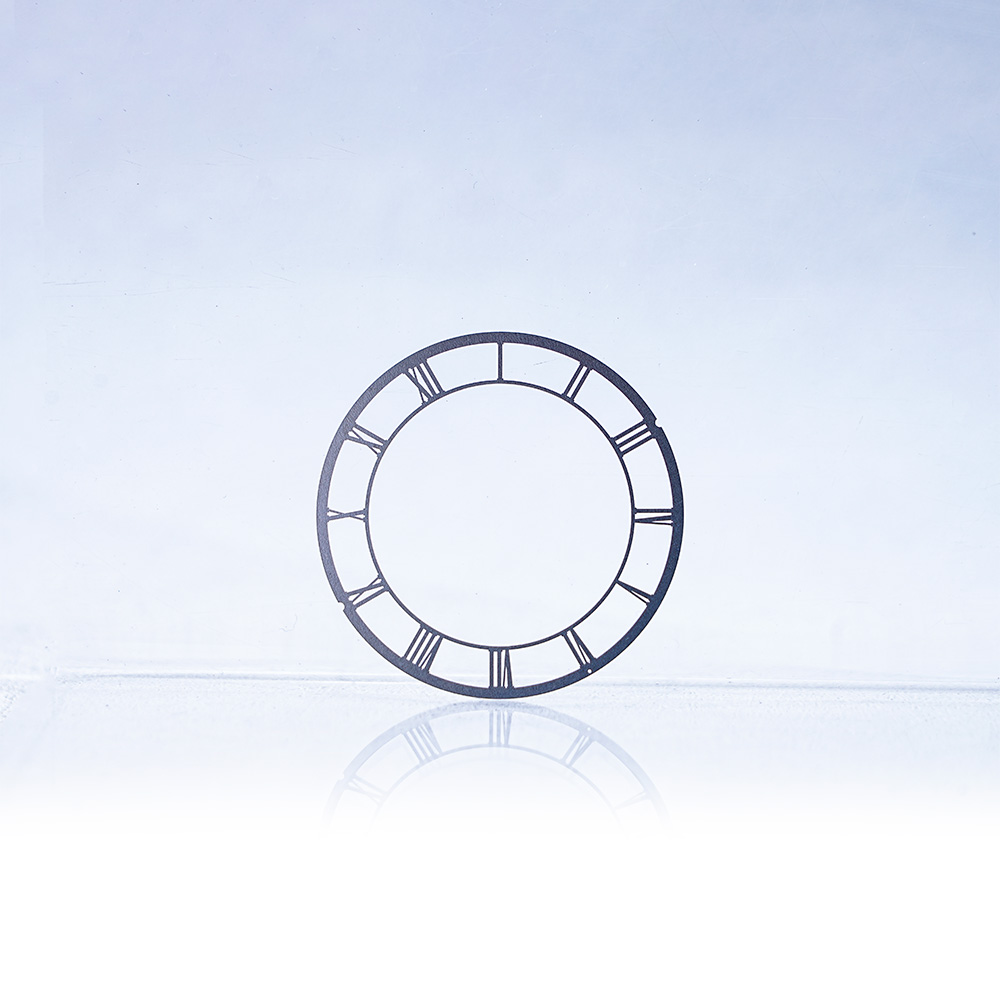
In the fields of high-end watchmaking and luxury jewelry, metal calendar rings are not only functional components for displaying dates, but also the "inner hallmark" that embodies a brand’s craftsmanship aesthetics and precision manufacturing standards.
· Digital connecting ribs are only 0.06mm;
· Concentricity of inner and outer rings: within 0.015mm;
· With a large hollowed-out area, there shall be no deformation or creases on the numbers 1 to 31.

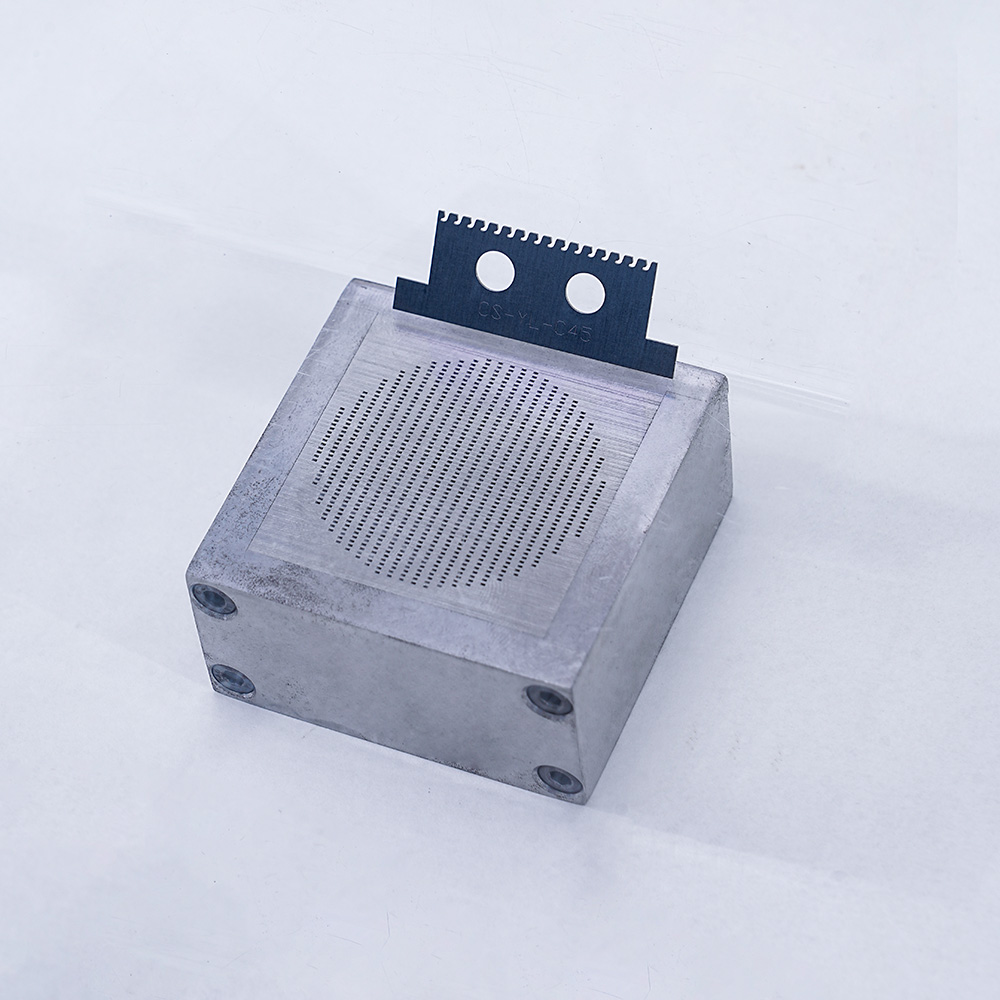
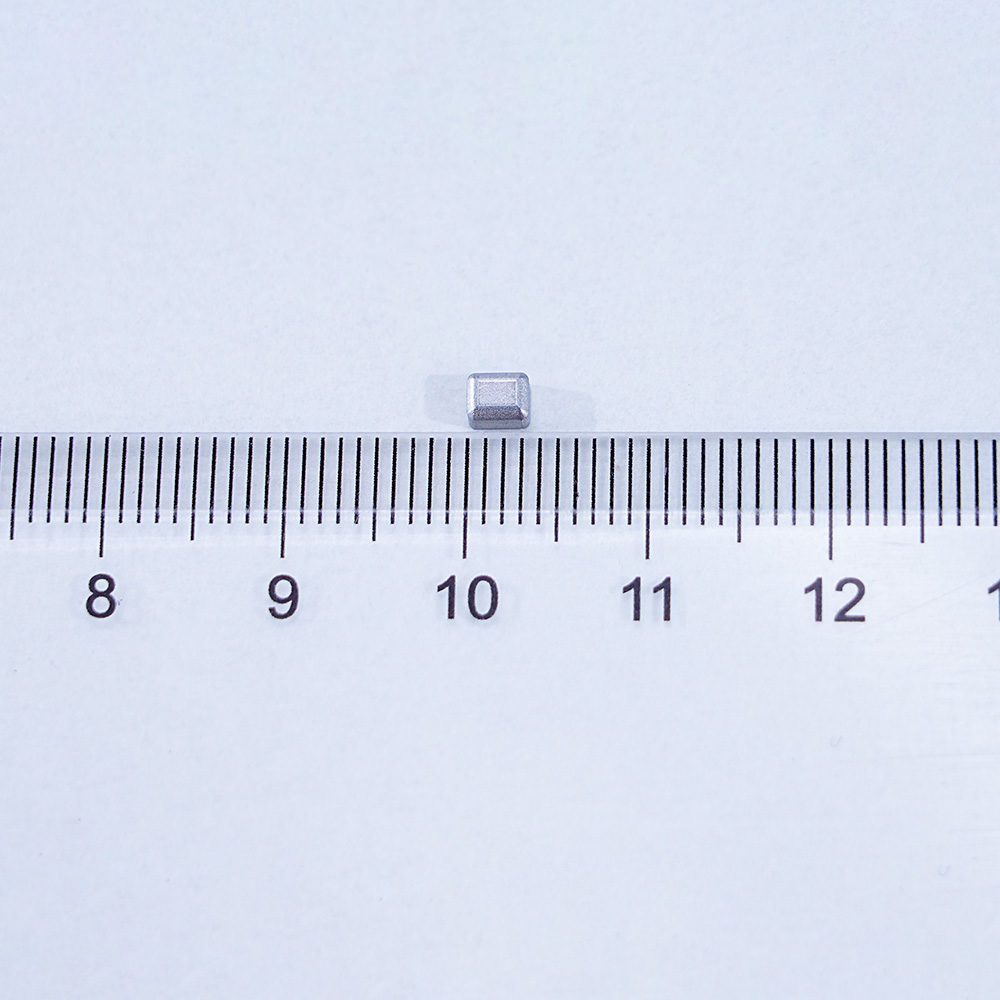
In the field of electronic manufacturing, Surface Mount Technology (SMT) is evolving rapidly toward component miniaturization, high-density assembly, and high-efficiency production. As a mechanism for positioning, supporting, and protecting PCB boards, SMT carriers rely on their core components—precision indenters/jigs—whose performance directly determines the accuracy and yield rate of key processes such as component mounting, testing, and soldering.
· Precision laser cutting of micro-components combined with welding reduces the CNC manufacturing cost of traditional SMT jig covers;
· Stainless steel with thickness ≤ 3mm, machining accuracy ±0.02mm;
 400-8188-860
130-3889-2257

Scan the QR Code

WeChat Official Account
Copyright © 2025 Dongguan Chanshan Precision Technology Co., Ltd. All Rights Reserved
Technical Support:sysx



![[首页]](image/homeicon1.svg)